
While there are a variety of solar software tools on the market that help from sales all the way to post-install O&M, solar design software in particular is fundamental to the success of any PV system installation. Whether you are a small operator or have years of experience implementing utility-scale projects, here are four solar design tools to consider implementing.
Jump to the best solar design software!
What is Solar Design Software?
Solar Design Software is a specialized tool used to streamline the design and planning of solar energy systems, including both residential and commercial projects. It allows for accurate system planning by using data-driven analysis tools to ensure optimized energy production, supporting installers in creating the most efficient setups, and ensuring they follow a detailed plan for success. By offering features like energy optimization and efficient project design, solar design software makes complex tasks easier for both residential and commercial projects.
The tools are designed to be comprehensive and scale according to project needs, enhancing energy system efficiency and delivering solutions that are made to meet the needs of both small and large installation teams, easy for users to apply. These systems are built to generate real performance data, providing a professional way to execute leading solar designs.
Definition and Purpose of Solar Design Software
Solar Design Software is primarily used to create accurate solar energy systems for both residential and commercial purposes. The core purpose of these tools is to improve design accuracy and help professionals manage every detail of their projects.
Whether it’s a commercial project or a residential system, this software allows users to create powerful and detailed designs, incorporating energy storage and other elements to boost overall efficiency.
It is a complex platform designed to support solar energy businesses by making planning easier and more reliable. Solar design software can handle both simple and complex installations, making it an indispensable tool for achieving precise results.
Common Features of Solar Design Tools
The common features of solar design tools include 3D modeling, shading analysis, energy simulations, and proposal generation. These tools empower professionals to visualize installations in detail, using 3D modeling to map every aspect of the site and shading analysis to assess the impact of nearby obstacles on energy output.
Energy simulations calculate potential production under real-world conditions, while proposal generation combines these insights into polished, client-facing documents. Together, these features streamline the creation of accurate layouts, optimize energy generation, and simplify project management.
We’ll unpack each of these features in detail later in the blog. Click here to skip ahead and dive right in.
Why Solar Professionals Rely on Design Software
Solar professionals rely on solar design software because of its ability to improve efficiency and reduce costs for installers, architects, and engineers. These tools are highly valued for the way they allow the sales team to streamline their processes and create powerful customer engagements.
From improving the sales process to helping teams complete work in minutes, solar design software plays a pivotal role in making projects more efficient.
These tools need to be able to handle detailed and real requirements from multiple teams working on large-scale solar projects, ensuring high productivity levels and delivering a full solution for solar energy professionals.
Key Features of Leading Solar Design Software
Leading solar design software tools are equipped with powerful features that make solar project planning more efficient and accurate.
These tools offer capabilities like simulation and CRM integration, making it easy to design systems and manage relationships with clients. One notable feature is real-time integration with solar irradiance data, which helps provide accurate energy forecasts.
Proposal generation is another important aspect, allowing solar teams to create compelling, data-driven presentations. Whether it’s about optimizing energy yields or using technology to improve workflows, solar design software platforms provide a comprehensive, based tool that is essential for achieving successful outcomes.
3D Visualization and Shading Analysis
3D visualization is one of the standout features of solar design software, providing solar professionals with the ability to create a detailed photovoltaic system layout. Using 3D modeling, designers can map out the project site, identifying the best places for installing solar panels.
Shading analysis is also crucial, as it determines how much sunlight will be blocked by nearby obstacles, which directly affects energy output. By utilizing these analysis tools, solar designers can make decisions based on high-quality data, ensuring that every energy system is optimized.
The combination of visualization and detailed modeling is what makes solar design software indispensable.
Irradiance Simulation for Accurate Energy Estimates
Irradiance simulation is essential for generating accurate energy production estimates in solar project planning. This simulation tool analyzes the amount of energy available at a specific location by evaluating solar irradiance, providing insights into potential energy yield. By relying on advanced analysis and real data, designers can predict how well a solar system will perform.
This technology helps optimize the overall system by understanding potential output and performance metrics. The accurate use of data allows for better decision-making and ensures that each system is designed to deliver optimum energy results, making solar design software an invaluable part of solar project planning.
Proposal Generation and Customization Options
Proposal generation is a core aspect of solar design software, allowing professionals to create customized sales proposals for clients, including those working on both residential and commercial projects.
Tools like Aurora Solar and OpenSolar enable sales teams to generate proposals that are both detailed and tailored to customer needs. The ability to create customized, ready proposals helps in communicating complex details clearly and effectively.
This customization is essential for building customer confidence, as it professionally presents the project. By making the process of proposal creation quick and easy, solar design software helps improve customer engagement and makes the sales process smoother.
Integration with Financing and CRM Tools
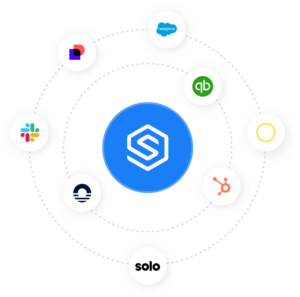
CRM integration is a significant feature of solar design software, providing an effective way to streamline the sales process and enhance the customer experience. By connecting with financial platforms, solar companies can offer complete business solutions to their clients, integrating everything from financing options to system planning.
This kind of integration makes the entire process quick and efficient, reducing manual steps and ensuring that customers have access to all the information they need. But the next step is even more powerful—integrating this data into your Central Operations Hub with Scoop. This ensures no data gets lost, automates handoffs, and provides a single point of view into your entire installation and service process, boosting productivity and client satisfaction—but more on that later.
On-Demand Permitting and Compliance Features
Solar design software that includes on-demand permitting and compliance features can greatly reduce the amount of manual work needed in solar project development. Automated compliance checks ensure that the solar system meets all relevant local standards and regulations.
The true benefit of these tools is the ability to perform design and permitting in parallel, addressing two critical steps simultaneously. These steps are often the source of delays, and integrating them helps streamline processes and accelerate execution timelines.
By automating these tasks, engineers can focus more on designing and less on paperwork, enabling faster project completion. These tools also allow for quick adjustments, ensuring systems are always ready for installation and fully compliant with all regulatory requirements, making them invaluable for solar engineers and project managers.
What Are The Best Solar Design Software Platforms in 2025?
In 2024, top solar design software platforms include Aurora, OpenSolar, Solo, and Solargraf. Aurora Solar offers advanced 3D modeling and proposal tools, while OpenSolar provides a free platform with finance integration for smaller teams. Solo excels in proposal generation with field tool integration, and Solargraf focuses on comprehensive project management. These platforms provide the best solutions for commercial projects, combining usability, features, and professional quality.
1. Aurora Solar
Aurora Solar stands out as one of the best solar design software platforms due to its powerful 3D modeling and proposal tools. It supports features like energy storage and is particularly useful for managing large projects with high design accuracy.
Integration with Sungage Financial makes it easier for clients to access financing, while support for NEM 3.0 (Net Energy Metering) ensures compliance with the latest energy policies.
Aurora also excels in CRM integration, allowing solar professionals to manage the entire energy system efficiently. The platform’s ability to produce accurate designs and minimize change orders makes it a preferred choice for many professionals.
Key Features of Aurora Solar: 3D Modeling, Proposal Tools, NEM 3.0 Support
- Aurora Solar features powerful 3D modeling capabilities, proposal tools, and NEM 3.0 support.
- Users can create accurate designs without site visits, reducing costs and time.
- Real-time project management enhances planning and execution efficiency.
- Tools for improved analysis and yield prediction reduce change orders by 99%.
- Projects are delivered as planned with minimal disruption.
2. OpenSolar
OpenSolar is a standout solar design software offering that is both free and rich in features, making it highly attractive for smaller solar teams. Its 3D design capabilities allow for detailed visualizations, which makes system planning easier and more effective.
The integration with financial tools means solar professionals can seamlessly offer financing options to clients, providing a more comprehensive service.
OpenSolar’s platform is known for being easy to use and quick, allowing professionals to generate accurate designs with minimal effort. For solar professionals looking for a high-quality yet affordable solution, OpenSolar is an excellent choice.
Key features of OpenSolar
- OpenSolar offers a free platform with no subscription fees, including advanced 3D design tools and integrated finance options, making it ideal for smaller teams.
- With no seat limits, licensing fees, or design caps, it provides easy access to powerful tools without high costs.
- OpenSolar’s user-friendly platform simplifies the design process, helping solar professionals deliver accurate results while managing all aspects of the project.
3. Solo
Solo focuses primarily on proposal generation, making it a top choice for solar professionals who need to generate proposals quickly and efficiently. Its integration with SPOTIO enhances the sales team’s productivity by providing on-site tools that streamline the proposal creation process.
Solo is a based tool that ensures accurate results, delivering professional-quality proposal software that makes communicating with clients easier. For those in commercial solar projects, Solo offers an efficient, easy way to generate detailed proposals that help close deals faster. Its emphasis on team collaboration makes it ideal for high-paced solar sales environments.
Key features of Solo
- Solo’s integration with SPOTIO enhances sales productivity by automating proposal creation.
- Sales teams can generate proposals in just minutes, improving responsiveness to customer needs.
- The streamlined process ensures accurate, well-documented sales proposals without delays.
- Solo emphasizes ease of use and fast turnaround times, improving overall efficiency.
- This integration makes Solo ideal for solar companies that prioritize rapid customer engagement.
4. Solargraf
Solargraf is a complete solar design software solution that emphasizes project management and easy installation workflows. Its integration with Scoop makes managing multiple projects straightforward, as every aspect of the project is designed to be accurate and ready for implementation.
Solargraf is equipped with features that help professionals manage everything from system layout to final installation, making it a valuable tool for ensuring projects are ready and meet all client expectations. It is used by many in the industry for its ability to deliver work that is on-time and coordinated across different project stages.
Key features of Solograf
- Solargraf’s integration with Scoop provides a comprehensive project management system from design to installation.
- Scoop enables solar professionals to efficiently manage each stage of a solar project, ensuring all aspects are covered.
- This integration offers a powerful solution for tracking progress, improving accuracy, and ensuring a smooth workflow.
- Solargraf’s platform is both powerful and easy to use, helping solar companies deliver consistent results throughout the project lifecycle.
Integrating Solar Design Software with Scoop
Scoop is the leading solar project management software that allows solar companies to track, manage, and report on solar projects. From small residential installations to large-scale projects, Scoop is a user friendly solar software that automates workflows, organizes documentation, and centralizes communication for solar installers.
GLOO is Scoop’s world-class integration service that connects best-of-breed solar software tools to enable your solar sales team to close more deals by saving time, reducing duplicate data entry, and fostering transparency across entire solar companies. GLOO connects Scoop with a variety of tools including solar design software, an existing CRM, sales proposal or e-signature software, and more for maximum efficiency.
There are several reasons to integrate Scoop with your solar design software, including centralizing project site and pv systems data, streamlining the sales process, and simplifying communication between project managers and solar engineers.
Whether your company is focused on residential or commercial solar installations, you need a solar design tool that you can trust. Scoop’s experience working with hundreds of solar and renewable energy companies means that we can provide insight into best practices and help connect your tools to create the perfect solar software stack.
Benefits of Using Solar Design Software
Using solar design software provides numerous benefits for both residential and commercial solar projects. These tools improve accuracy, leading to better energy production and cost reduction. Time efficiency is also enhanced, as software automates much of the design process, which speeds up project timelines.
Effective client communication is another major benefit, with visual proposals simplifying the process of explaining complex systems to customers. With the ability to reduce manual work, solar design software helps businesses deliver energy solutions more efficiently, ensuring that multiple stakeholders can work together seamlessly for the best outcomes.
Increased Accuracy and Efficiency in Solar Project Design
Solar design software is key to improving accuracy and efficiency across all stages of solar project development. By generating precise energy yield estimates, these tools allow designers to make well-informed decisions regarding material usage. The ability to create precise project designs ensures that each installation is optimized for performance, reducing wasted time and resources.
The high level of accuracy provided by these tools not only helps ensure compliance but also allows the project to be used effectively for years to come. Ultimately, these solutions help boost overall project performance by making it more reliable and efficient.
Faster Design Turnaround Times and Cost Reduction
Solar design software plays a vital role in helping companies reduce design and installation times. By using automated systems, design processes are completed more quickly, which allows projects to move forward at an increased speed. This efficiency helps minimize labor requirements, leading to significant cost reduction.
The ability to accurately predict material needs also helps avoid unnecessary expenses, optimizing budgets. With improved efficiency across the board, solar companies can complete projects faster and at a lower cost, which ultimately translates into a better experience for clients and more profitable ventures for the business.
Improved Client Communication Through Visual Proposals
Client communication is made much more effective through the use of visual sales proposals created with solar design software. These tools enable solar professionals to design visual presentations that explain complex solar systems in an easy-to-understand format. By utilizing customer-focused proposals, solar companies can engage potential clients more effectively and convey the benefits of solar installations clearly.
Visual aids help simplify the sales process, making the technical details more accessible for clients. By improving analysis and communication, solar design software ensures that clients fully understand the value proposition, which aids in building trust and closing sales.
Better Compliance with Regulatory Requirements and Standards
Ensuring compliance with local and national regulatory requirements is an essential part of solar project design, and solar design software makes this process much easier. By automating the verification of standards, these platforms help businesses avoid errors and keep projects within legal guidelines.
Whether dealing with commercial projects or residential systems, the right platform ensures full compliance from the initial design to installation. This reduces the potential for legal issues and ensures that all work is carried out to the highest standards, providing peace of mind for both the solar company and the customer.
How Solar Design Software Improves Sales and Operations?
Choosing the right solar design software depends on factors like pricing, scalability, and integration capabilities. Free trials allow you to test tools before committing, while subscription models versus one-time purchase options impact long-term costs. Commercial and residential projects have different needs, so selecting scalable and user-friendly software ensures smoother installations and planning as your business grows.
How to Choose the Right Solar Design Software?
Choosing the right solar design software depends on factors like pricing, scalability, and integration capabilities. Free trials allow you to test tools before committing, while subscription models versus one-time purchase options impact long-term costs. Commercial and residential projects have different needs, so selecting scalable and user-friendly software ensures smoother installations and planning as your business grows.
Frequently Asked Questions (FAQs)
What is the best free solar design software?
OpenSolar is considered the best free solar design software, offering robust features without subscription costs. For larger commercial projects, platforms like Aurora Solar provide advanced tools suited for more complex installations.
How accurate is solar design software?
The accuracy of solar design software depends on data integration and modeling capabilities. Top platforms like Aurora and Solargraf provide precise designs, enabling reliable energy yield predictions and effective system planning.