Lucy

CRM and FSM Integration: 10 Benefits of Connecting CRM and Field Service Software

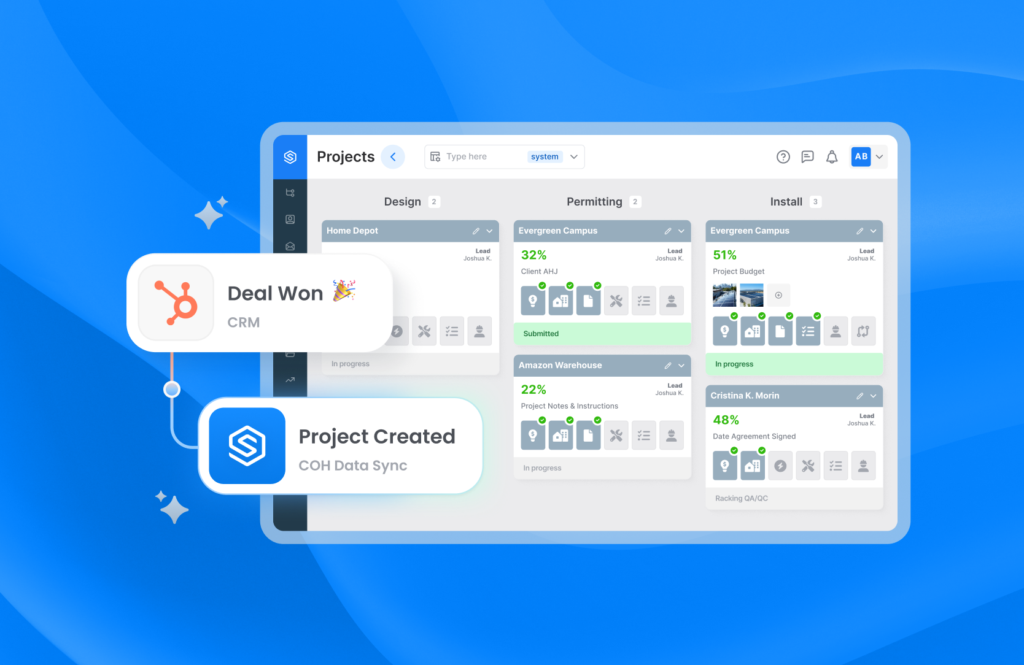
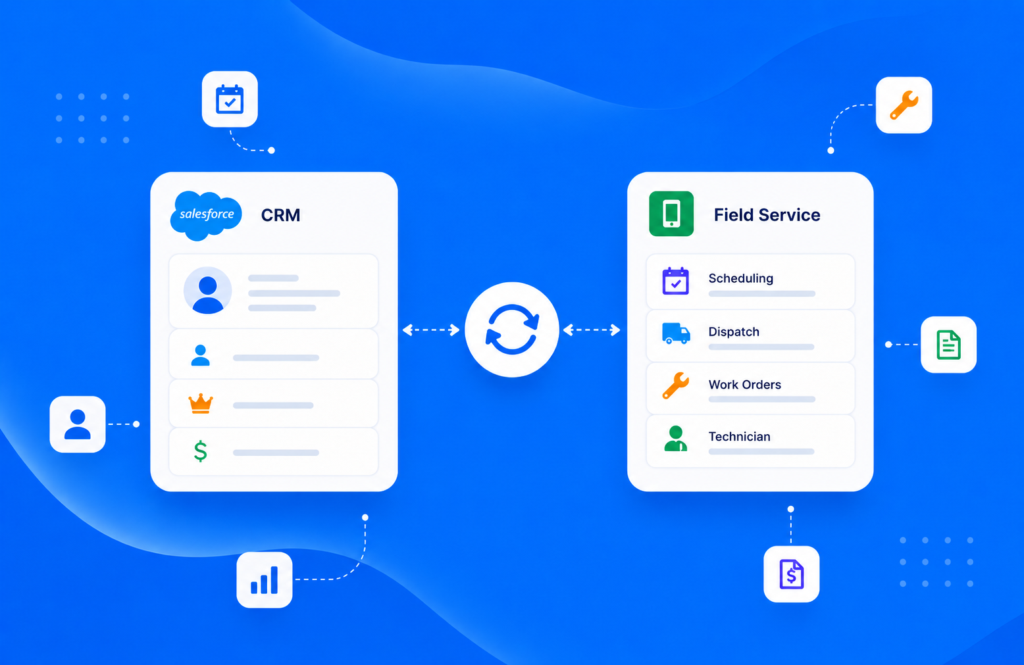
CRM and FSM integration connects your customer relationship management (CRM) system to your field service management (FSM) software so customer, contract, site, and job data move between them automatically. A closed deal becomes a scheduled job, technicians see the full customer record on site, and completion data flows back to sales and billing without repeat […]

CRM and FSM Integration: 10 Benefits of Connecting CRM and Field Service Software Read More »
Field Service Management Market in the USA: Size, Share, Trends and Forecast 2030

The field service market in the USA, measured as field service management (FSM) software and services, is worth about $1.4 billion to $2.9 billion in 2025, depending on what each research firm counts. Most forecasts expect it to grow between 9.3% and 12.5% a year through 2030, driven by technician shortages, cloud adoption, and AI-assisted

Field Service Management Market in the USA: Size, Share, Trends and Forecast 2030 Read More »

How to Eliminate Double Data Entry Between CRM, ERP, and Field Service Tools in 7 Steps

To eliminate double data entry between CRM and ERP, give each data type one system of record, map the fields that must match, and connect the systems with a sync that runs on set triggers, such as a closed deal. Put your field service tool in the same flow so job and invoice data are

How to Eliminate Double Data Entry Between CRM, ERP, and Field Service Tools in 7 Steps Read More »

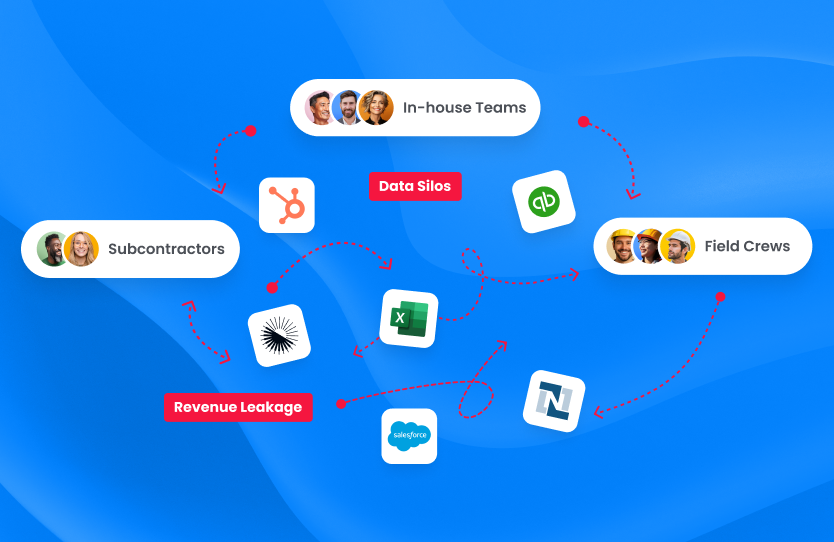
How Data Silos Hurt Decision-Making and Kill Field Service Profitability

Data silos hurt decision-making in field service because your CRM, dispatch, field reporting, inventory, and invoicing systems each hold one part of an installation, service call, or maintenance visit, so managers decide from partial numbers. Dispatchers send technicians without parts information, finance cannot see job profitability, and leaders debate reports instead of acting on them.

How Data Silos Hurt Decision-Making and Kill Field Service Profitability Read More »

The 13 Best Field Service Management Software (2026) – Scoop

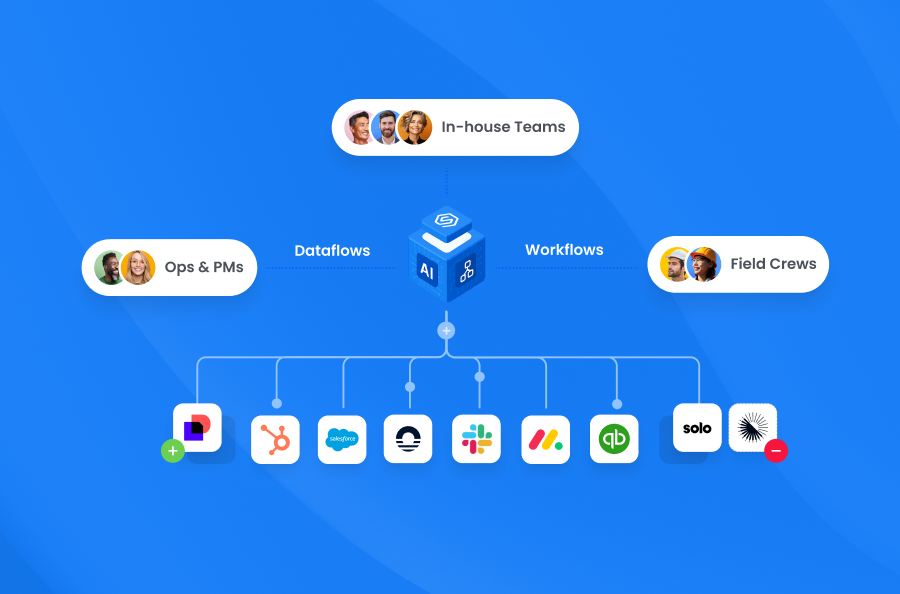
The best field service management software in 2026 is Scoop for companies whose work moves through multiple stages and multiple systems. Scoop runs new installs, service calls and recurring O&M contracts from one operational layer, and it connects the CRM, ERP and accounting tools you already use instead of replacing them. Jobber and Housecall Pro

The 13 Best Field Service Management Software (2026) – Scoop Read More »

Implementing Solar O&M: A Practical Guide to Protecting Long-Term Performance

Implementing solar operations and maintenance (O&M) is how operators protect energy output, revenue, and the long-term value of a renewable investment once an array leaves installation and goes live. A solar system rarely fails all at once; it slips quietly, losing production to soiling, drift, and unnoticed faults until the numbers no longer match the

Implementing Solar O&M: A Practical Guide to Protecting Long-Term Performance Read More »

How to Audit Your Field Service Tech Stack in 6 Steps

Learning how to audit your field service tech stack helps uncover the disconnected tools, duplicate work, and unreliable data that undermine operational performance. As installation, maintenance, and repair teams adopt technology across the job lifecycle, unplanned integration gaps can create missed handoffs, billing delays, and reporting blind spots. A structured six-step audit gives operations leaders

How to Audit Your Field Service Tech Stack in 6 Steps Read More »