Solar project management is about more than organizing timelines and checking boxes. It’s the backbone of every successful solar installation, bringing together planning, design, engineering, construction, and compliance into one coordinated process. And while the process can be complex, understanding its core principles and best practices makes it far more manageable.
This guide breaks down the key strategies and best practices that can help you deliver solar projects on time and on budget.
What Is Solar Project Management?
Solar project management involves the structured planning, coordination, and oversight of solar energy projects preferably with a solar project management software. This discipline covers various aspects, including construction, engineering, financial control, and regulatory compliance.
At its core, solar project management is about successfully bringing solar energy solutions to life. Effective managers in this field are adept at balancing technical requirements with practical considerations. They work diligently to keep projects on track, addressing challenges as they arise and making sure all stakeholders are aligned.
Why Is Solar Project Management Important?
The importance of solar project management lies in its ability to deliver projects efficiently, on time, and to a high standard. Strong project oversight ensures that every phase is executed with precision, allowing solar installations to move forward without delays, errors, or unnecessary costs.
Effective management in this industry ensures successful project outcomes from start to finish. The impact of good solar project management is evident in every aspect, from resource allocation to adherence to evolving regulations. It is about maximizing efficiency and performance throughout the entire process.
For businesses looking to transition to solar energy, proper project management and uses of a solar CRM can make all the difference. It is important to streamline operations, minimize risks, and optimize the use of resources. This approach leads to improved customer satisfaction and better overall business performance in the long run.
What Are The Phases Of Solar Project Management?
Solar project management involves several key phases, each with its own technical, financial, and environmental considerations. Let’s break down these phases:
- Feasibility & Site Assessment
- Design & Engineering
- Procurement & Contracting
- Construction & Installation
- Commissioning & Closeout
- Operation & Maintenance (O&M)
- Repowering or Decommissioning
1. Feasibility & Site Assessment, Document Intake
In this initial phase, thorough assessments are conducted to evaluate site viability, regulatory requirements, and financial impact. The team analyzes local conditions, gathers data, and performs detailed planning. It is crucial to accurately intake all necessary documents, which sets a solid foundation for clear workflows and compliance throughout the project.
Key aspects of this phase include:
- Site analysis and evaluation
- Local regulatory research
- Financial impact assessment
- Document organization and management
- Preliminary planning and feasibility studies
2. Design & Engineering
During the design and engineering phase, the focus is on creating precise and efficient solutions for the solar project. Advanced tools and expertise are required to control costs, ensure code adherence, and establish the conditions for successful construction outcomes.
This phase typically involves:
- Detailed system design
- Engineering calculations and simulations
- Code compliance checks
- Cost optimization strategies
- Integration of advanced solar technologies
3. Procurement & Contracting
Careful procurement is crucial for identifying reliable suppliers and managing project budgets effectively. You must work on developing strong relationships with contractors and negotiating contracts to reduce risks and ensure on-time delivery of materials.
Key activities in this phase include:
- Supplier evaluation and selection
- Material cost analysis and budgeting
- Contract negotiation and risk management
- Coordination with multiple companies and contractors
- Supply chain optimization
4. Construction & Installation
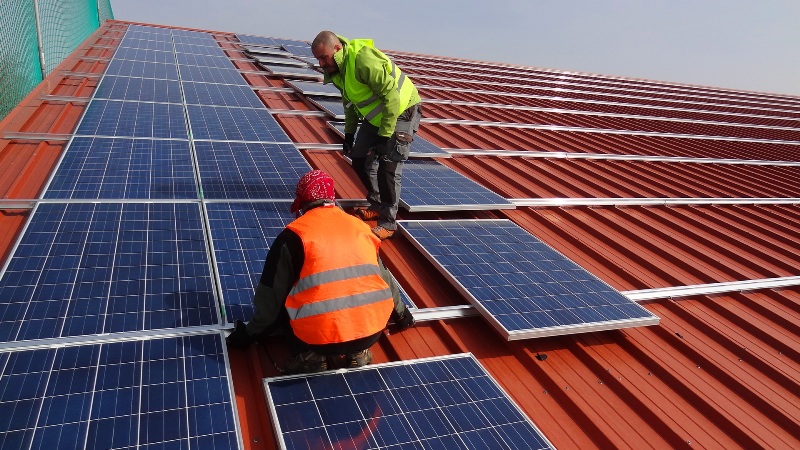
The construction and installation phase brings the solar project to life. This stage prioritizes site preparation, equipment installation, and rigorous quality control. The team follows strict safety protocols, coordinates skilled labour, and adheres to project timelines to keep everything on track.
This phase includes:
- Site preparation and groundwork
- Equipment installation
- Quality control checks
- Safety protocol implementation
- Progress monitoring and milestone tracking
5. Commissioning, Closeout, PTO (Permission to Operate)
As the project nears completion, emphasis is placed on system performance, confirming regulatory compliance, and finalizing all required documentation. Obtaining Permission to Operate (PTO) is a crucial step that officially transitions the system into operation.
Key tasks in this phase include:
- System performance testing
- Regulatory compliance verification
- Documentation finalization
- PTO application and approval process
- Final inspections and sign-offs
6. Operation & Maintenance (O&M)
Once the solar system is operational, the focus shifts to maintaining consistent performance and ensuring long term reliability. This involves regular inspections, performance monitoring, and proactive maintenance.
O&M activities typically include:
- Regular system inspections
- Performance monitoring and analysis
- Preventive maintenance schedules
- Rapid response to system issues
- Ongoing system optimization
7. Repowering or Decommissioning (Long-Term)
As the solar project reaches the later stages of its lifecycle, considerations turn toward whether to repower or decommission the system.
Repowering can breathe new life into your solar project, while decommissioning involves responsibly removing and disposing of the system components. Both options present unique opportunities for the solar sector and require careful consideration of environmental and economic factors.
Here’s a table to help you break this down:
| Aspect | Repowering | Decommissioning |
| Cost | Initial investment, but can extend project life | Expenses for removal and disposal |
| Environmental Impact | Reduces waste by upgrading existing infrastructure | Requires proper disposal of materials |
| Energy Output | Increases efficiency and production | Ends energy production |
| Regulatory Obligations | May require new permits or approvals | Must comply with local disposal regulations |
| Future Opportunities | Allows for adoption of newer technologies | Frees up land for alternative uses |
How To Implement an Effective Solar Project Management Process?
Align Each Phase With Clear Requirements & Objectives
Set specific goals for every stage of the project and define measurable criteria. This approach helps keep everyone on track and focused. Make sure you have comprehensive documentation of roles and responsibilities. By doing this, you’ll save time and avoid confusion down the road. Your team should create detailed reports for each phase, outlining what needs to be done and who’s responsible. This way, everyone knows their role and can work efficiently towards our shared objectives.
Establish Strong Communication & Stakeholder Management
Clear communication is key to successful solar projects. You want to keep all stakeholders (owners, contractors, and regulatory bodies) in the loop and engaged throughout the process. Set up regular check-ins with your team and clients to ensure everyone stays informed. You can use professional communication tools to manage multiple stakeholders effectively. If any conflicts arise, you’ll address them promptly and clearly to maintain positive relationships.
Ensure Efficient Flow of Work (Handoffs)
Smooth transitions between project phases are crucial for success. Focus on creating seamless handoffs to prevent delays and maintain consistent quality control. As your company grows, you can easily scale our processes across different projects. This approach allows for efficient development and helps us manage projects of varying sizes without compromising on quality.
Address Risk & Compliance Early
You have to recognize the need to identify risks upfront, including financial, technical, and legal considerations. By tackling these issues early, you can avoid costly revisions later in the project. Your company should bring in expertise for permitting and compliance as soon as possible. This proactive approach allows comprehensive services and mitigate potential issues before they become problems.
Centralized Hub of Operations
A single point of project coordination offers numerous benefits. It unifies data, teams, and decision-making processes, leading to greater efficiency.
A centralized hub like Scoop’s solar project management software allows to keep all systems organized, regardless of project size. Whether you’re working on commercial or residential installations, this approach helps deliver consistent results. It’s an effective way to manage the complexity of solar projects while maintaining high standards of quality.
How to Overcome Timeline and Budget Constraints In Solar Project Management?
Address Common Delays and Supply Chain Disruptions
Solar installers often face challenges that can impact project timelines and budgets. Here are some common issues and ways to tackle them:
- Manufacturing bottlenecks: Partner with multiple suppliers to diversify your options
- Shipping delays: Plan for longer lead times and consider local sourcing when possible
- Labor shortages: Build a network of skilled contractors and offer competitive wages
- Equipment unavailability: Maintain relationships with various vendors and have backup options
- Permitting holdups: Start the approval process early and stay on top of local requirements
By addressing these potential roadblocks proactively, you can keep your projects moving forward within budget and on schedule.
Develop Contingency Plans For Weather and Seasonal Factors
As a solar project manager, you need to be ready for Mother Nature’s curveballs. Here’s how to stay prepared:
Build weather buffers into your timelines, especially during seasons prone to storms or extreme temperatures. Allocate resources flexibly, so you can shift teams to other tasks if outdoor work isn’t possible. Start indoor prep work early to maximize productivity during good weather windows.
Don’t forget to factor potential weather delays into your budget. Set aside a contingency fund to cover any unexpected costs related to seasonal challenges. By planning ahead, you’ll be better equipped to handle whatever the forecast throws your way.
Control Costs Through Strategic Procurement and Vendor Management
Smart purchasing decisions can help keep your project on track financially. Here’s how to make it happen:
Negotiate contracts carefully, looking for opportunities to lock in favourable rates for materials and services. Vet your vendors thoroughly, checking references and track records for quality and reliability. Balance cost considerations with performance requirements to ensure you’re getting the best value for your investment.
Building strong partnerships with suppliers can lead to more stable pricing and priority service. Consider forming long-term agreements with trusted vendors to streamline your procurement process and potentially secure volume discounts.
Maximize ROI and Long-Term Project Value
To truly succeed in solar project management, you need to think beyond the initial installation. Here’s how to optimize performance over time:
Implement a robust monitoring system to track energy production and system health. This allows you to quickly address any issues that could impact output. Schedule regular maintenance checks to keep everything running smoothly and catch potential problems early.
Plan for strategic upgrades as technology improves. Setting aside funds for future enhancements can help maintain peak efficiency as newer solutions become available. Consider offering performance guarantees to clients, backed by your commitment to ongoing optimization.
By focusing on long-term value, you’ll build a reputation for quality work that stands the test of time. This approach is critical for both residential customers looking to reduce energy bills and utility companies aiming to expand their renewable portfolio.
Optimize Your Solar Project Management With Scoop!
Struggling to keep your solar projects on track? We’ve got you covered. Scoop offers AI-powered solutions tailored for solar companies like yours. Our cloud-based platform streamlines operations, boosts efficiency, and helps your team collaborate seamlessly.
Ready to take your solar project management to the next level? Book a demo today!
Frequently Asked Questions About Solar Project Management
Solar Project Management: What Attributes to Look For?
When choosing solar software, prioritize features that enhance project efficiency. Look for tools that deliver strong project tracking, robust scheduling, reliable document management, and advanced workflow automation. Effective coordination of field teams is also essential for keeping every phase aligned. Scoop excels in these areas, supporting clear processes and consistent execution across the entire project lifecycle.
How Long Does A Typical Solar Project Take To Complete?
Solar projects typically span several months to years, depending on scale and complexity. Residential installations might take 3-6 months, while utility-scale ventures can extend beyond 2 years.
What Are The Essential Skills For Effective Solar Project Management?
Effective solar project management demands a diverse skill set. You need technical expertise to understand system designs and installation processes. Financial acumen is crucial for budgeting and cost control. Regulatory knowledge helps navigate complex legal landscapes. Leadership abilities drive team performance and stakeholder management. Problem-solving skills are indispensable for overcoming unexpected challenges.
How Can We Improve Communication Between Field & Office Teams?
Enhancing communication between field and office teams requires robust strategies. Implement real-time data sharing platforms to keep everyone informed. You’ll see improved coordination through consistent reporting structures and regular check-ins.
By establishing clear channels for feedback and updates, you foster a collaborative environment. This integrated communication framework minimizes errors, aligns project goals, and boosts overall efficiency across your solar initiatives.