
Solar Field Service Scheduling
Turn Solar Service Scheduling Into a Controlled, End-to-End Workflow
Our Solar Field Service Scheduling Software connects dispatch, technician assignments, smart work orders, and site data across your systems, so every service job moves from ticket to completion with consistent handoffs, clear ownership, and accurate field documentation.
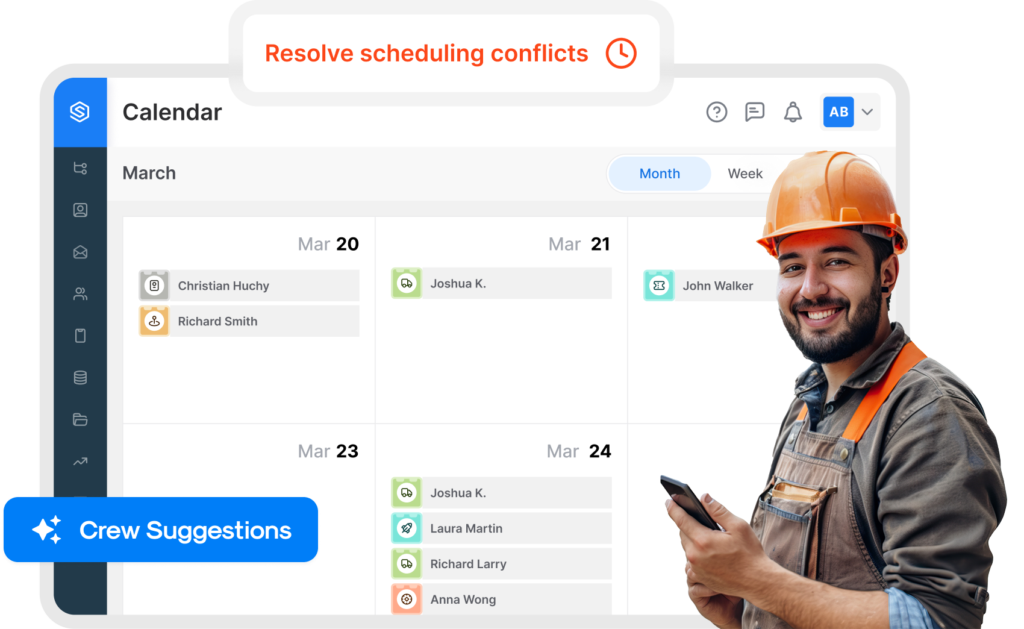
Common Field Scheduling Challenges
Solar field service scheduling breaks down when dispatch, work orders, and field execution are managed across disconnected tools. This leads to delays, repeat visits, and lost visibility across solar service operations.
Scheduling & Dispatch Conflicts
Dispatch decisions conflict with schedules when changes occur, making it harder to manage technician workload and job timelines.
Too Many Repeat Visits
Technicians cannot complete jobs reliably when asset details and service history are missing at dispatch.
Poor Operational Visibility
Limited visibility and tracking prevent real-time data from accurately reflecting job status and operational constraints.
Operational Contract Management for Solar Companies
Scoop functions as a Central Operations Hub, connecting systems, owners, and approvals in one structured operational layer without forcing an all in one replacement. The result is clearer execution, fewer missed steps, and a reliable system of record as job volume scales.
AI Scheduling
Our platform uses scheduling and dispatch management with real-time work orders to optimize technician assignment, improve efficiency, and keep priority handling consistent across active work orders as volume increases.
- Automated job matching
- Priority-based job sequencing
- Capacity aware scheduling
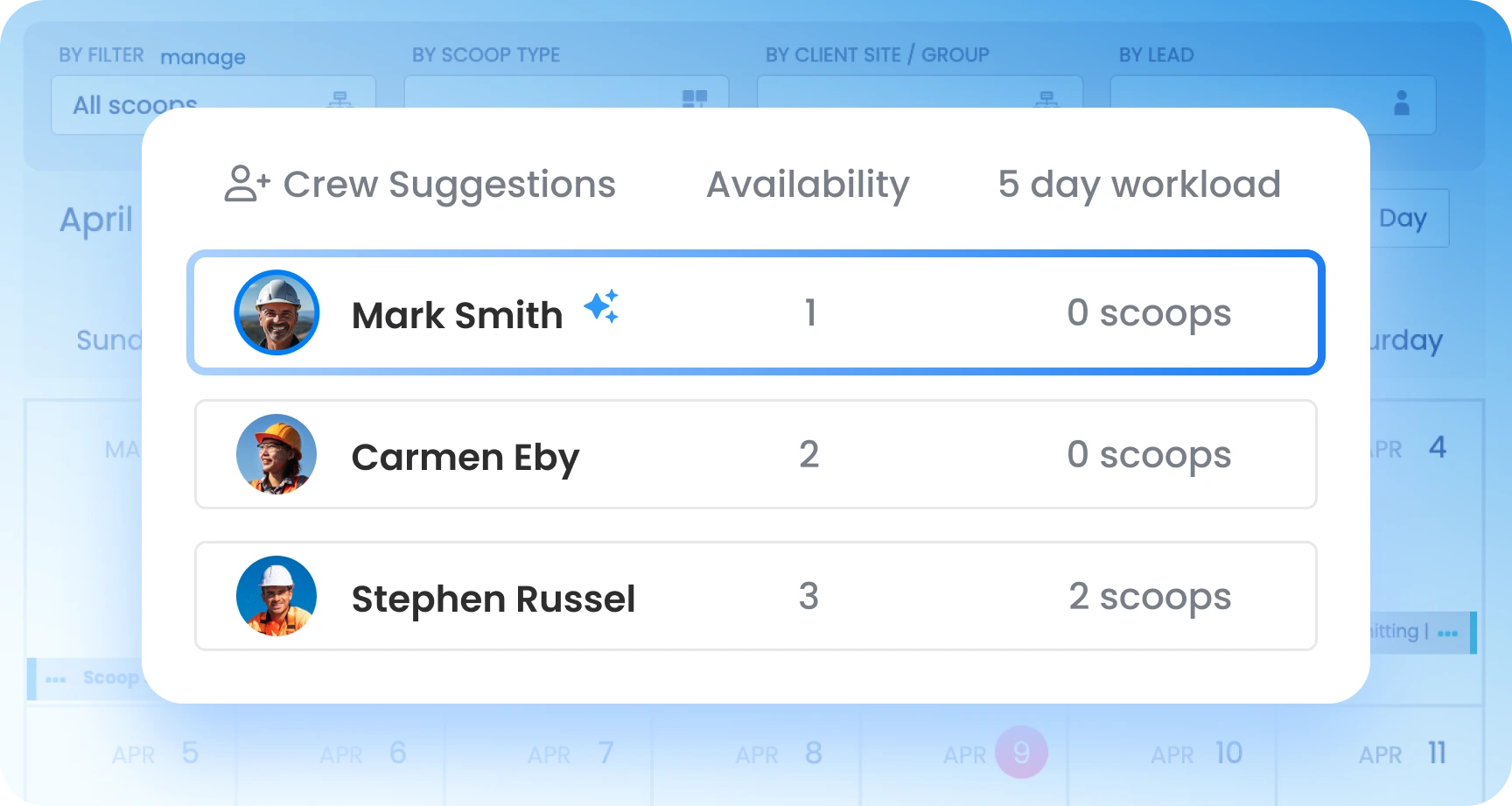
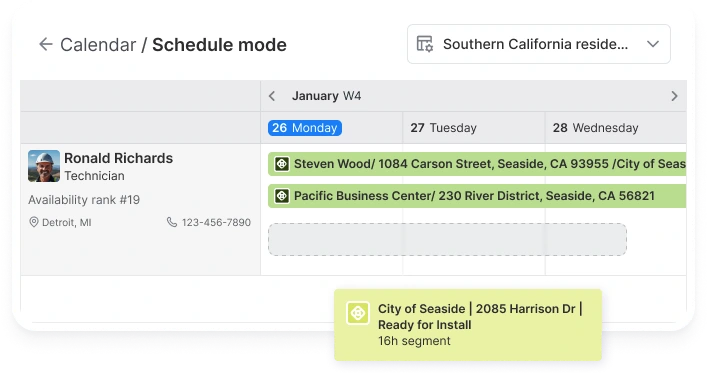
Drag & Drop Dispatch
Schedulers can easily assign, reassign, and balance workloads in seconds using a clear visual scheduling board tied to real-time work order data. This helps reduce bottlenecks created by disconnected calendars and spreadsheets.
- Faster job assignment
- Clear schedule visibility
- Reduced dispatch friction
Mobile Field App
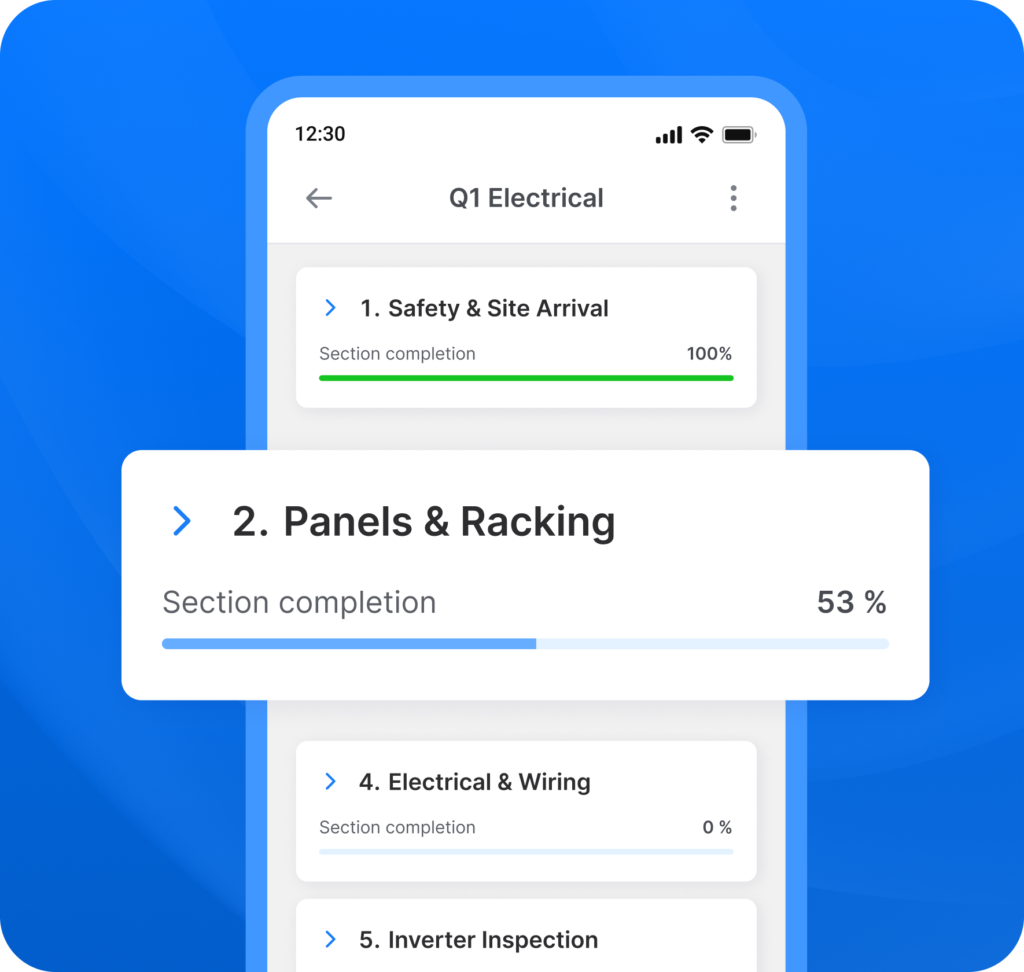
Field crews use a mobile app to access work orders, site details, checklists, and asset history on site. Our Solar Field Service Scheduling Software ensures every job follows structured steps, so updates sync instantly across teams.
- Offline-capable workflows
- Standardized job execution
- Accurate field reporting

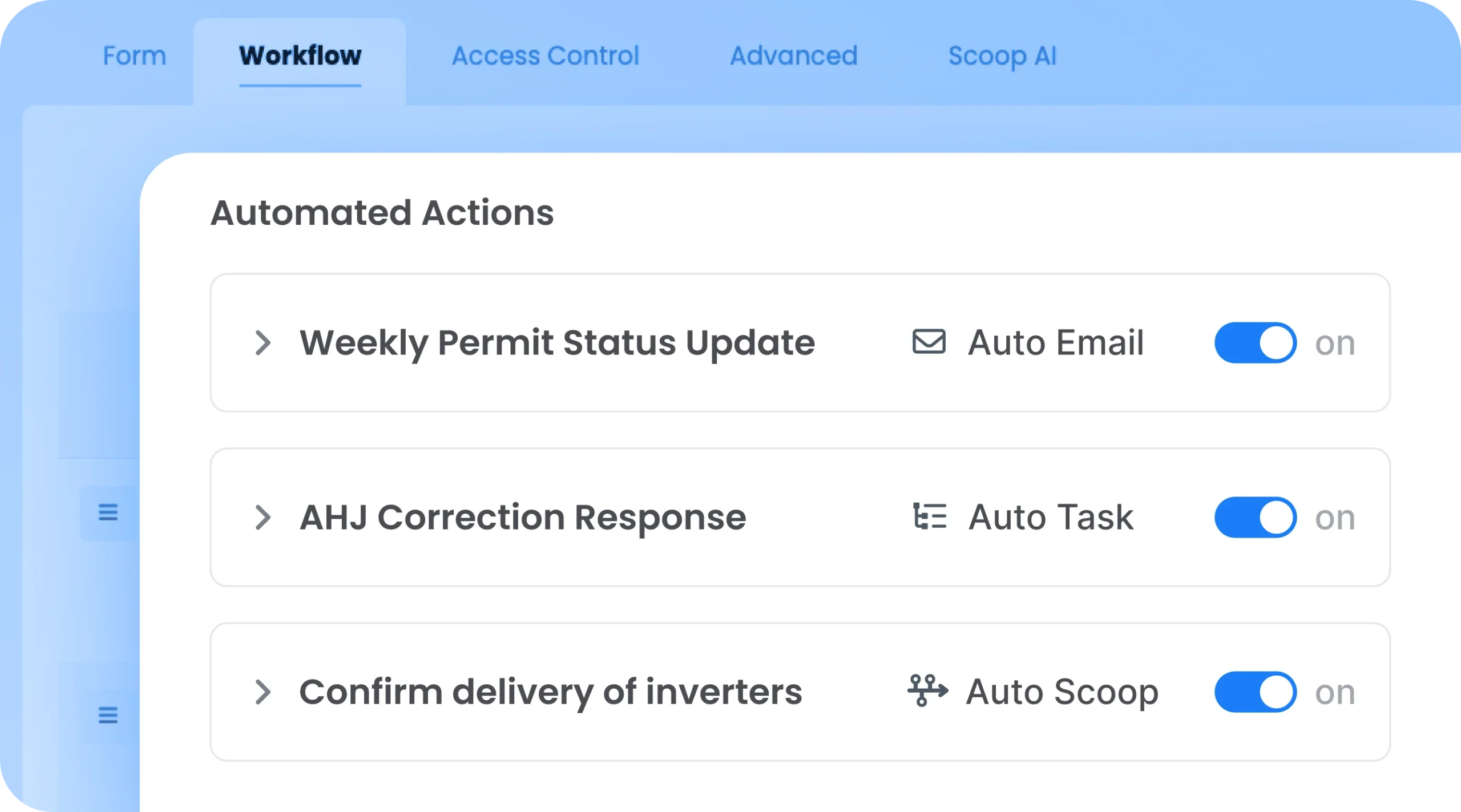
Automated Notifications
Rules-based automation sends updates to customers and internal teams when status milestones change, keeping expectations aligned without extra admin. Solar field service scheduling stays synchronized with job progress, so communication reflects the latest execution data.
- Automated status alerts
- Consistent customer updates
- Fewer manual follow-ups
Real-Time Schedule Adjustments
Live updates allow teams to adjust schedules based on job progress, delays, and technician availability without disrupting workflows. Our solar software is built for coordinated execution, streamlining workflows across service, projects, and operations.
- Real-time schedule updates
- Flexible technician reassignment
- Streamlined execution workflows

Why Choose Scoop’s Solar Field Service Scheduling?
Instead of only tracking tasks, Scoop runs solar field service scheduling inside a structured execution system where workflows, ownership, and status changes stay consistent across teams, turning scheduling into a repeatable, scalable process.
Predictable Field Scheduling
Scheduling stays reliable when work orders, technician availability, and job requirements are managed in one system, then updated automatically as conditions change.
Faster Dispatch Execution
With Scoop, dispatch execution moves from manual coordination to a consistent operational process, supporting faster job starts without replacing existing CRM or ERP tools.
Real-Time Operational Visibility
Scoop connects solar field service scheduling to a centralized system of record for execution, enabling real time visibility across crews, job stages, exceptions, and outcomes.
How to Get Started With Our Solar Field Service Scheduling
1. Align on Your Goals and Operating Reality
The first step involves understanding the business objectives and identifying essential operational needs. Our team maps current workflows, pinpoints key handoff points between roles, and clarifies which processes need standardization. We’ll work with your team to define how operations should function at scale, ensuring the software addresses real execution challenges rather than theoretical requirements.
2. Design and Validate Your Scoop Workflows
Once goals are clear, we design workflows that reflect actual project execution. This phase includes configuring process steps, defining integration points with existing CRM and other systems, and validating that workflows match how work moves from scheduling through completion. The focus remains on creating a system of record operational execution (scheduling, dispatch, field updates, workflows, and reporting), that supports field teams and coordinates handoffs without adding administrative burden.
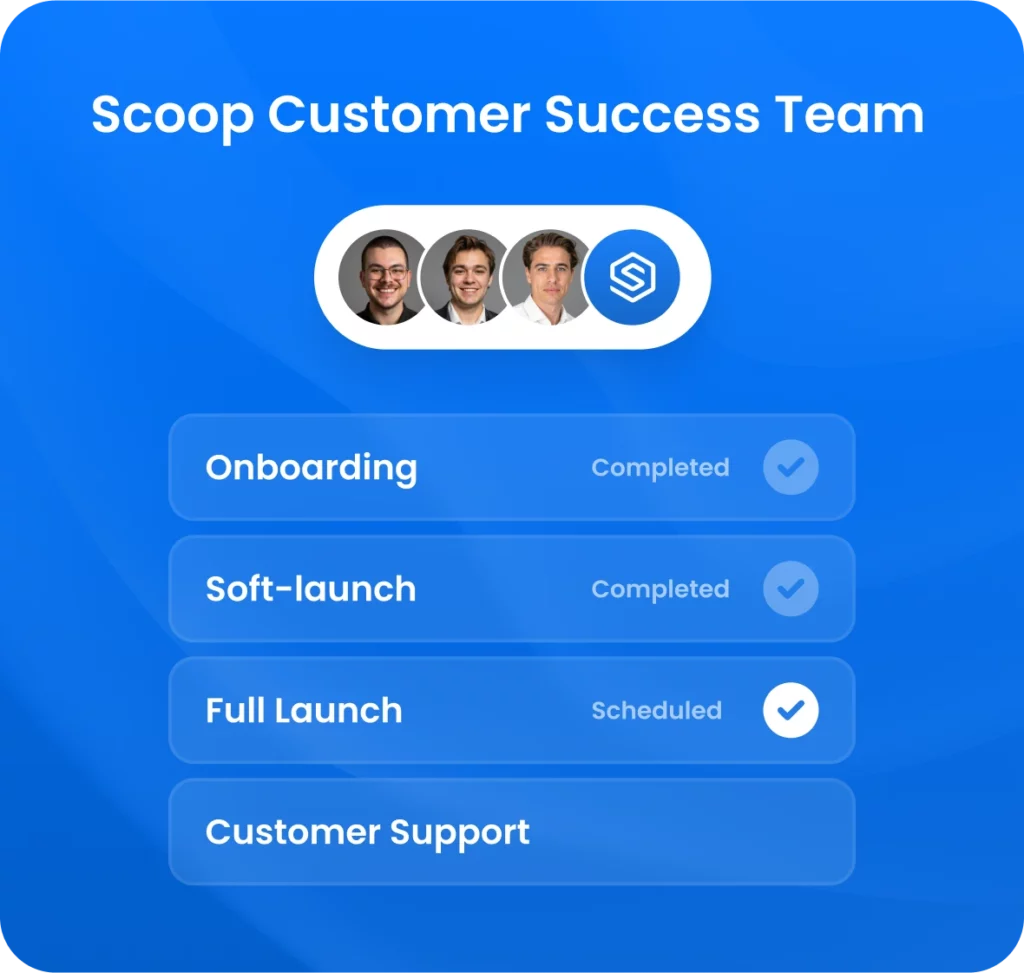
3. Launch With a Dedicated Success Team
Scoop provides a dedicated team during launch to ensure smooth adoption and satisfaction across all user groups. This support includes onboarding field personnel, validating data flows, and ensuring workflows function as designed in live operations. The customer success team remains engaged throughout the initial rollout, addressing questions and refining configurations based on real use.
4. Scale Confidently With Ongoing Expert Support
After launch, our ongoing support remains available to help your company improve operations as they grow. This includes access to experts who understand how solar companies scale, guidance on optimizing workflows, and recommendations for better integration strategies. Many renewable energy companies keep evolving their execution layer as service offerings expand, and Scoop’s support structure adapts to those changing needs.
Which Industries is Scoop Built For?

Commercial Solar Installs & Service

Solar O&M Services
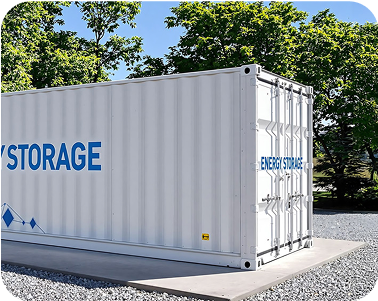
Battery Storage Installs & Service

Wind Turbine O&M Services

HVAC Field Service

EV Charging Installs & Service

Data Centers

Modular Buildings

Prefabricated Homes
Commercial Solar O&M Services
Utility -Scale O&M Services
Wind Turbine O&M Services
EV Charging O&M Services
Battery Storage O&M Services

HVAC O&M Services
How Scoop Gives Your Team a True Competitive Edge
"Scoop won us over with its customization, integrations, & unique project progress options."

Tim Howaldt
CO-Founder & COO
“Scoop allows us to create industry-leading, high-quality service reports for our customers.”

Fletcher Dyak
President of Operations
“Scoop has been a huge help in organizing our work and supporting my field team.”

Jamal Aboeljoud
Director of Post-Construction Services
Ready to Transform Your Solar Operations?
Streamline your solar operations with our Solar Field Service Scheduling Software! Book a demo with our sales team today to see how Scoop connects your solar operations in one Central Operations Hub.
Request a Demo
See how leading solar and infrastructure teams run operations from a single hub.
Book a 20-minute session to review your workflows and see how Scoop can help.
Frequently Asked Questions on Solar Field Service Scheduling
Is Scoop A Solar-Specific Scheduling Platform?
Scoop is purpose built for solar and renewables, combining solar field service scheduling with a Central Operations Hub that standardizes handoffs across service, projects, and operations for consistent execution and real time visibility.
Does Scoop Replace Our CRM or ERP?
Scoop typically complements CRM and ERP systems, acting as the execution layer where work gets scheduled, assigned, and completed, with solar field service scheduling syncing key data instead of forcing a full replacement.
How Does AI Scheduling Handle Solar Constraints?
Scoop’s AI scheduling works within your configured workflows, factoring in job duration, SLAs, and work order priority to reduce manual steps in dispatching and keep active jobs moving without constant dispatcher intervention.
Can Dispatchers Adjust Schedules In Real Time?
Dispatchers can reassign work orders, update priorities, and rebalance schedules and assignments in real time as conditions change, keeping solar field service scheduling accurate while maintaining clear ownership and minimal handoff friction.
How Do Field Technicians Use The Mobile App?
Contract data can trigger project setup, task ownership, schedules, and service handoffs so execution starts with aligned scope and terms. Our solar software ties contract milestones to operational workflows, improving visibility across sales, projects, and field teams.
Which Solar Service Workflows Does Scoop Support?
Scoop supports Operations and Maintenance (O&M) dispatch, truck rolls, inspections, warranty work, corrective maintenance, commissioning tasks, and follow up visits, with solar field service scheduling tied to standardized workflows and status visibility.
How Does Scoop Integrate Existing Solar Systems?
Through GLOO, integrations can connect CRM, ERP, monitoring, and document tools, allowing solar field service scheduling to run in a single execution layer while upstream and downstream systems stay in place.