
To improve your field service management (FSM) workflow, start by knowing how daily jobs actually move from request to completion across your team. You likely face slow scheduling, poor visibility, or disconnected tools, which makes productivity gains harder to achieve without a clear process. This article highlights the 8 tips that will help you improve your FSM workflow.
What is Field Service Management Workflow?
Your field service management workflow defines the structured sequence of actions that coordinates field technicians, office teams, and operational systems to deliver services efficiently from job creation to completion. This workflow organizes how work orders are created, assigned, executed, and closed, which directly supports consistent execution and predictable service outcomes.
The workflow combines process definition, task management, and automation to reduce idle time, align field and back office activities, and standardize service delivery. These components improve productivity and customer satisfaction by ensuring technicians have the right information at the right time, which strengthens operational control and service quality.
A comprehensive field service management system centralizes data, improves task visibility, and supports regulatory compliance by maintaining accurate records across all field activities.
1. Automate Repetitive Tasks
The Issues of Project Handoffs in the Industry
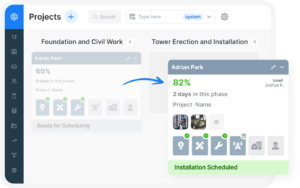
Project handoffs are where things can fall apart in the field service industry. Delays pop up when one team hands off a project to another, and it’s all too easy for important details to get lost or tasks to be forgotten. Automations within your field service management workflow solves these problems by making handoffs seamless. Automated systems make sure every piece of information is handed over correctly, which prevents delays and errors that happen during manual handoffs. For instance, automated task assignment systems make sure every team member knows exactly what’s expected of them right away.
Benefits of Workflow Automation in Field Service Management
Workflow automation in field service management helps cut down on manual errors and ensures tasks get assigned accurately. When businesses implement automation, tasks are more likely to be completed on time, which boosts workflow efficiency overall. Plus, real-time updates reduce the need for constant manual checks, making task management a whole lot easier. It’s like having an extra set of hands to ensure your FSM systems are running smoothly.
Tools for Automating Task Assignments and Dispatching
There are several tools out there to help automate task assignments and dispatching in field service management. Think about field-specific software, automated scheduling software, and dispatching solutions. These are all vital for managing service requests effectively. Imagine having a system that automatically matches your team with tasks based on their skills and availability—sounds like a dream, right? That’s the beauty of these automation software. They offer visibility into projects, automate tasks, and help keep everything flowing from start to finish.
2. Optimize Scheduling and Assignments
Real-Time Scheduling for Field Technicians

Real-time scheduling is key for efficient field service management. It allows for instant updates and adjustments, making sure all resources are used effectively. When you use real-time capabilities, you can make on-the-fly adjustments to assignments, matching employees with the tasks that suit them best, based on their location and skill set. This keeps operations running smoothly and avoids bottlenecks.
Best Practices for Optimizing Worker Schedules
To make the most out of worker schedules, it’s important to use digital systems that focus on task management and route optimization. Best practices include:
- Match tasks to worker skill levels.
- Use real-time data to track worker availability.
- Reduce unnecessary travel through smart assignments.
Leveraging Location-Based Assignments
Location-based assignments are a smart way to improve efficiency. By assigning tasks based on a worker’s proximity to the site, you can minimize travel time and get things done faster. Softwares use real-time location data to allocate tasks to the closest available technician, which makes the whole workflow much more responsive and effective.
3. Streamline Communication
Real-Time Communication Tools for Field Operations

Real-time communication is a game-changer for field operations, as it allows technicians and managers to stay connected throughout the entire service process. This kind of continuous communication allows everyone to respond quickly to any issues that come up, which keeps downtime to a minimum and ensures tasks are completed efficiently.
How Better Communication Reduces Downtime
Effective interaction is a major factor in reducing downtime. Real-time updates mean technicians get support right when they need it, which keeps everything running smoothly. The better the workflow improvement, the fewer delays and disruptions you’ll face. For example, mobile applications that allow teams to update statuses in real time also let managers provide immediate feedback, avoiding potential setbacks.
4. Implement Mobile Access for Field Teams
Benefits of Mobile-First Platforms
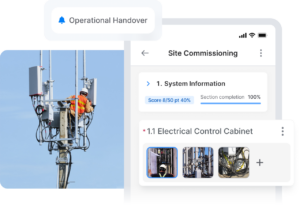
Mobile-first platforms provide a ton of benefits for field operations. With these platforms, teams can take pictures, fill out forms, and automatically sync everything back to the office—all without any extra paperwork. Mobile access ensures information is always available to both field and office teams, which makes task tracking and reporting easier and more effective.
Mobile-First Benefits | Description |
| Real-Time Sync | Syncs work details instantly with office systems, eliminating manual data entry |
| Task Flexibility | Allows workers to update details on-site, reducing paperwork |
| Improved Communication | Enhances interaction between field staff and office teams |
How Mobile Solutions Increase Productivity in the Field
Mobile solutions can seriously boost the productivity of field technician by giving them instant access to task details, customer information, and updates. When digital platforms include mobile solutions, teams can update their progress in real time, which minimizes delays and keeps the workflow moving smoothly. This accessibility means that technicians can deal with issues more quickly, making everything run more efficiently.
5. Track and Manage Inventory Efficiently
Importance of Real-Time Inventory Tracking
Let’s talk about why real-time inventory tracking matters so much. A worker showing up for an assignment only to find they’re missing a crucial part is frustrating. That’s exactly what real-time inventory tracking helps prevent. By using digital systems with live tracking, companies can make sure all the right parts and tools are available when needed, minimizing disruptions. Effective inventory management means no unexpected shortages and no unnecessary delays—just smooth service and happy customers.
Best Tools for Managing Parts and Equipment
When it comes to managing parts and equipment, inventory management platforms are game-changers. These platforms track everything in real time, giving workers and managers a clear picture of stock levels.
That way, when someone needs a specific part, it’s there—no scrambling, no stress. Integrating field service-specific inventory solutions makes parts tracking seamless, reduces waste, and optimizes the use of field service resources. It’s all about making sure every task is set up for success from the start.
6. Leverage Data Insights
Tracking Key Performance Metrics (KPIs) in Field Service Management
Tracking KPIs like first-time fix rates, response times, and worker performance is the key to better workflow efficiency. Think of it like tuning a car—you need to know what’s under the hood to get the best performance. By leveraging data insights, companies can keep an eye on these metrics and pinpoint where there’s room for improvement. Understanding performance metrics gives field service managers the ability to make smart decisions that elevate team effectiveness.
Using Data to Optimize Field Workers’ Performance
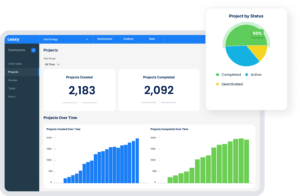
Data insights are a powerful way to boost worker performance. By diving into the data, managers can spot the top performers and identify who could use some extra support or training. This kind of data-driven decision-making makes it easy to assign the right tasks to the right people, leading to a more efficient team overall. It’s all about playing to everyone’s strengths and making sure every worker is set up to succeed.
7. Integrate Systems with Other Business Tools
Benefits of Seamless Integrations
Integrating FSM systems with CRM and ERP is like creating a well-oiled machine for your business. These integrations allow data to flow smoothly between different departments, giving everyone a clear picture of customer interactions and operations. Integration helps cut down on redundancy, improves service quality, and ensures that everyone—from the worker in the field to the manager in the office—has the most up-to-date information at their fingertips.
Popular Integration Options (e.g., CRM, ERP)

There are some great integration options out there, like CRM and ERP platforms, that help bring different parts of your business together. For instance, integrating an ERP system can improve inventory management, making sure workers always have what they need on hand. By using digital platforms for smoother business integrations, companies can boost operational efficiency and keep everything running like clockwork.
8. Continuously Review and Improve Workflows
How to Identify Workflow Bottlenecks
Spotting workflow bottlenecks is crucial for keeping your FSM process efficient. Here are the steps to identify bottlenecks:
- Conduct regular workflow audits.
- Use real-time data to pinpoint slow processes.
- Engage workers for feedback on inefficiencies.
By focusing on workflow optimization, businesses can streamline processes and reduce inefficiencies.
Improve Your Field Service Management Workflow Today!
Recap of Key Tips for Optimizing Workflows
Optimizing FSM workflows is all about working smarter, not harder. Whether it’s automating repetitive tasks, fine-tuning scheduling, improving communication, or making use of mobile access and data insights, each of these strategies helps to boost workflow efficiency. The goal? A smooth and efficient operation that keeps everyone—customers and workers alike—happy.
Long-Term Benefits of an Efficient Workflow
An efficient FSM workflow isn’t just about today’s service call—it’s about building a better future. The long-term benefits include increased customer satisfaction, lower operational costs, and higher service quality. Companies that take the time to optimize their workflows see ongoing improvements in performance, resource use, and overall profitability.
How Field Service Management Tools Support Business Growth
By improving operational efficiency and taking customer service to the next level, field service management platforms help businesses grow sustainably. With features like automation, tracking, and seamless integration with other systems, FSM platforms are powerful allies in the quest for consistent performance, growth, and customer loyalty.
Enhancing Compliance and Job Completion
To further enhance job completion rates and maintain compliance, organizations can leverage digital processes to ensure all steps are followed accurately. By utilizing work order systems, you can track job completion in real-time, making sure every task meets the required standards. These systems also allow companies to easily manage their assets, ensuring that all tools and equipment are in optimal condition for each assignment.
Maintenance schedules play a crucial role in ensuring assets are always ready for use. By establishing clear maintenance schedules, businesses can prevent unexpected breakdowns and improve the customer experience by minimizing disruptions. Having all information across systems streamlined through digital processes can simplify how you manage resources, ultimately boosting productivity and service quality.
Whether it’s implementing new strategies for control or enhancing communication among all stakeholders, having the right systems in place will make field service processes more efficient and effective.